Tape guide

Gaffer vs Duct Tapes: what actually differs.

They look similar on the shelf and behave very differently on site. Here is what separates them, and how to choose without guessing.

The short answer

They are not the same tape, and swapping one for the other causes most tape complaints.

Gaffer tape

Matte cotton cloth with a synthetic rubber adhesive. Hand tearable, weather resistant, and cleanly removable from most surfaces. The matte finish does not reflect light, which is why it is the standard on film sets and stages.

Duct tape

Polyethylene-coated cloth with an aggressive rubber adhesive, designed for sealing and permanent repair. It is shiny under light, and the adhesive is formulated to stay put rather than to come off cleanly.

Why it matters on site

Three differences that show up as problems.

1. Residue on removal

Gaffer tape is designed to lift cleanly from most surfaces. Duct tape adhesive is designed to stay, and often leaves a sticky film that attracts dust. On a painted stage floor, a hired venue wall, or the finish of a lighting fixture, that residue becomes someone's job to remove — and sometimes a damage charge.

2. Reflectivity on camera

Duct tape's plastic coating catches light and shows up as a bright line in shot. Gaffer tape's matte cotton surface absorbs light, which is why it disappears in frame. If anything is being filmed or photographed, this alone decides it.

3. Tearing and handling

Gaffer tape tears cleanly across its width by hand, so a crew can work quickly without a blade. Duct tape tends to stretch and tear raggedly, and the plastic layer resists a clean edge.

What they share

Both are cloth-backed and strong. For sealing a box, bundling something in a workshop, or a repair meant to be permanent, duct tape is the cheaper and entirely sensible choice. The problem is only when it is used where clean removal or a matte finish matters.

Choosing

A simple rule.

  • Will it be removed later? Use gaffer tape.
  • Will it appear on camera or under stage lighting? Use gaffer tape.
  • Is it on a surface someone else owns — a hired venue, a client's floor, rented equipment? Use gaffer tape.
  • Is it a permanent seal or repair, out of sight? Duct tape is fine.

For floor marking specifically, narrow spike tape is the usual choice — the same adhesive system in a narrow width made for position marks and colour coding. For routing cables across a floor, cable path tape is purpose-built; see taping cables safely.

Published technical data

The same manufacturer makes both. The numbers show why they differ.
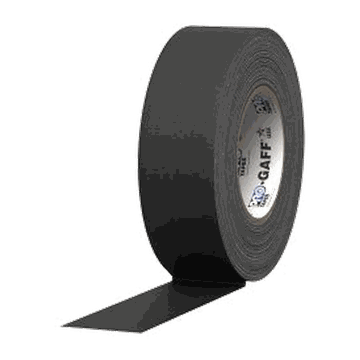
Pro Gaff matte black gaffer tape, unrolled

Pro Gaff — Gaffer Tape (Matte Cloth)

BackingCotton cloth
AdhesiveSynthetic rubber
Tensile strength45 lbs/in
Elongation5%
Thickness11 mils
Adhesion to steel80 oz/in
Service temperature10°C–93°C (50°F–200°F)
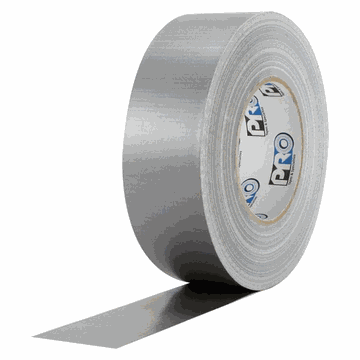
Pro Duct 120 industrial grade duct tape, silver

Pro Duct 120 — Industrial Duct Tape

Shown for comparison — not stocked by Artstag

BackingPolyethylene coated cloth
AdhesiveNatural rubber
Tensile strength27 lbs/in
Elongation15%
Thickness10 mils
Adhesion to steel50 oz/in
Service temperature10°C–93°C (50°F–200°F)

Reading the table

  • Adhesion to steel: 80 vs 50 oz/in. Gaffer tape grips harder, yet is the one formulated to release cleanly — grip and clean removal are not opposites.
  • Tensile: 45 vs 27 lbs/in. Nearly double the strength across the width.
  • Elongation: 5% vs 15%. This is why gaffer tape tears straight by hand while duct tape stretches and tears ragged — three times the stretch before it gives.
  • Service temperature is identical at 10°C–93°C. Heat is not the differentiator; backing, adhesive and finish are.

Figures are Pro Tapes published technical data sheet values for products Artstag supplies. Typical values — not for use in writing specifications.

In Singapore venues

Most theatres here require gaffer, not duct tape.

This is not just good practice locally — it is often a condition of use. Most theatres in Singapore permit gaffer tape and prohibit duct tape outright, because their stage floors carry a special coating that has to be protected. Duct tape's aggressive, permanent adhesive lifts and marks that coating, and the repair falls on the production.

The same rule protects your cables. Use the wrong tape on a cable run and the adhesive bonds to the jacket — the cable comes up with tape stuck to it, or the tape comes up leaving residue on the cable. Either way it is a mess that a proper gaffer or cable path tape would have avoided.

If you are working a hired venue in Singapore, assume gaffer only unless told otherwise — and check the load-in conditions, because a duct-tape mark on a coated floor can become a damage charge.

Common questions

Frequently asked.

Is gaffer tape just expensive duct tape?

No. They use different backing materials and different adhesive systems. Gaffer tape uses matte cotton cloth with a synthetic rubber adhesive formulated for clean removal, while duct tape uses a polyethylene-coated backing with an adhesive designed to hold permanently. The price difference reflects the cotton backing and the adhesive formulation, not branding.

Will gaffer tape damage paint or flooring?

Gaffer tape is designed to remove cleanly from most surfaces, but no tape is guaranteed on every finish. Fresh paint, delicate vinyl, or old varnish can lift regardless of the tape used. Test a small area first and avoid leaving tape down far longer than the job requires.

Can I use gaffer tape outdoors?

Gaffer tape is weather resistant and handles outdoor use for the duration of a typical event. It is not intended as a permanent outdoor seal — prolonged sun and rain will degrade any cloth tape over time.

How long can gaffer tape stay down before removal becomes difficult?

The longer any tape stays applied, the more the adhesive bonds to the surface, especially in heat. For clean removal, treat it as a short-term product measured in days and weeks rather than months.

Need the right tape for your job?

Artstag supplies Pro Tapes products direct across Singapore, Malaysia and Indonesia. Tell us the surface, the environment and how long it needs to hold, and we will point you to the right product.

Request a quote  ·  Ask a question  ·  All guides